
Rhode Island: everybody involved is within reach
In a state you can cross in under an hour, the excuses that work elsewhere — the office is too remote, the owner cannot be found, an inspection is impractical — simply do not survive. What replaces them is a different problem: three-storey houses let by people who have never set foot in them.
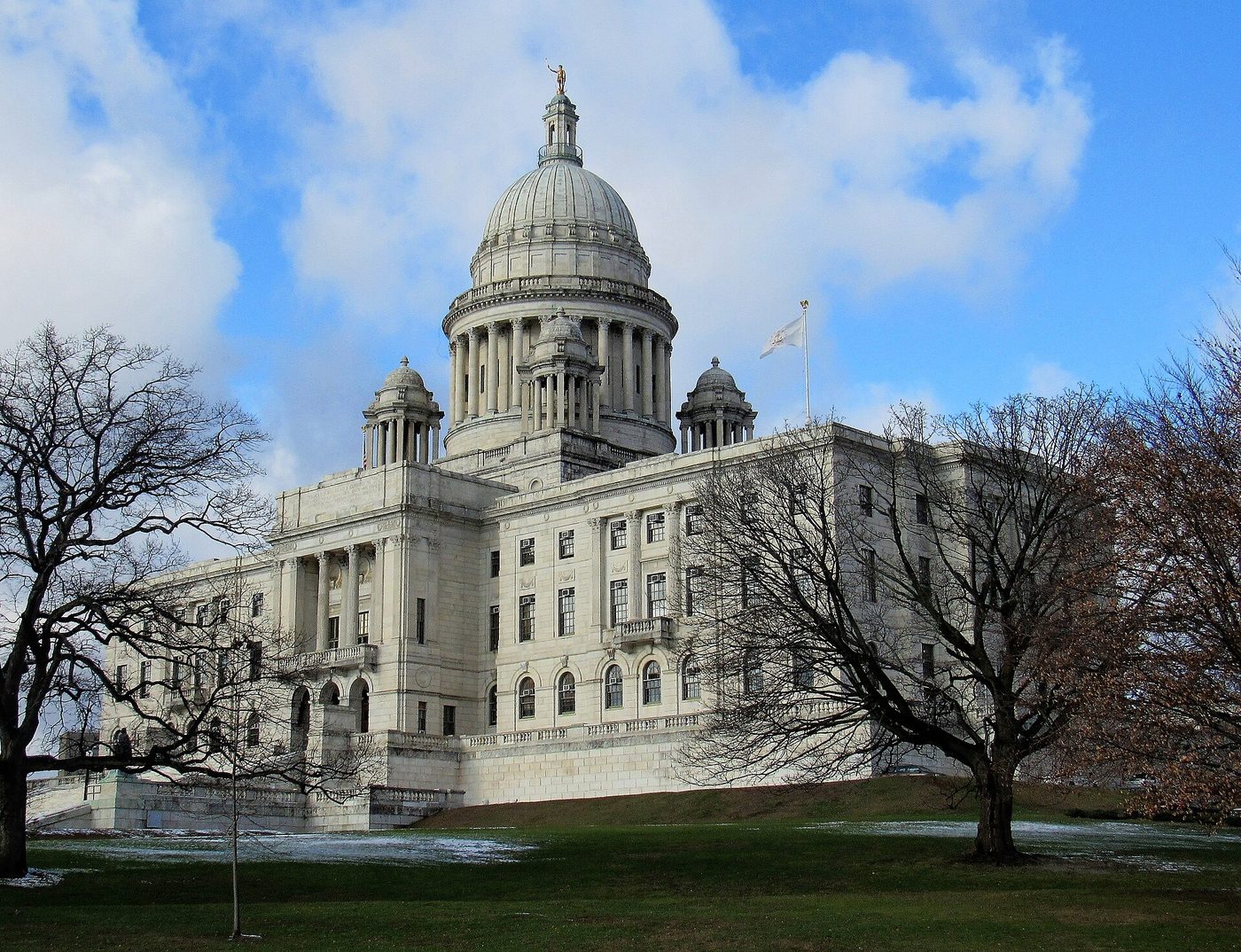
What being small actually buys you
Three consequences that matter when a request has stalled.
The three-storey house, floor by floor
Much of what is rented here is one of these, and each floor produces a different conversation.
When the person who owns it has never been inside
A large share of Rhode Island's three-deckers changed hands during and after the foreclosure years, and many are now held by investors living out of state and administered at arm's length. The practical result is that the person answering your message has no authority to say yes and every incentive to say no.
That is not a dead end. It is a routing problem, and it has a routing answer: put one written line to whoever you deal with asking who is empowered to rule on adjustment requests at this address. Declining to name anybody is itself a fact worth keeping, and the evasion rarely survives a second, politely repeated ask.
Ownership records are public. The entity that owns the building is the party carrying the legal duty, and it is the party that will appear on any file opened later — not the letting agent who told you no by text message.
One more consequence works in your favour. An out-of-state owner has no appetite whatever for a documented complaint against a property they never visit, and files of this kind tend to settle quickly once they reach that desk.
The order to work in
Where you are renting
Using the size of the state
Because the market is small, reputation carries further here than it does anywhere larger. A management company that refuses across several of its buildings is doing so visibly, and the commission sees those files arrive together rather than scattered across a dozen jurisdictions.
That is worth saying plainly in your own file. A single denial reads as a disagreement between two parties; the same operator denying repeatedly across a portfolio reads as something an enforcement office was created to look into.
None of it requires you to attend anywhere. Paperwork, questions and negotiated outcomes all happen by post, telephone and email, and nobody will insist that you present yourself in Providence to keep a file moving.
Questions from Rhode Island
The agent says the owner is out of state and unreachable.
My landlord lives downstairs. Does that exempt him?
They say the neighbours will complain about noise.
Is a summer let in Newport covered?
Rhode Island Commission for Human Rights
The state agency that receives and investigates housing discrimination complaints in Rhode Island, alongside HUD.
42 U.S.C. §§ 3601-3619
The federal statute prohibiting housing discrimination, including on the basis of disability. Refusing a reasonable accommodation that a person with a disability needs to use and enjoy a dwelling is a form of discrimination under this Act.
24 CFR § 100.204
HUD's regulation implementing the reasonable accommodation duty, including the example of waiving a no-pets rule for a person who needs an assistance animal.
24 CFR § 100.202
Sets out the general prohibitions on disability discrimination in housing and limits inquiries into whether a person has a disability.
HUD Notice FHEO-2020-01
HUD's central guidance on assistance animals in housing: the difference between a service animal and a support animal, what information a housing provider may request, and how requests should be assessed.