
Massachusetts: use the state route
Massachusetts operates one of the more developed civil rights regimes in the region, and its commission handles a heavy housing caseload. For most tenants here the state door is simply the better one — closer, broader, and familiar with the particular housing types this state is built from.
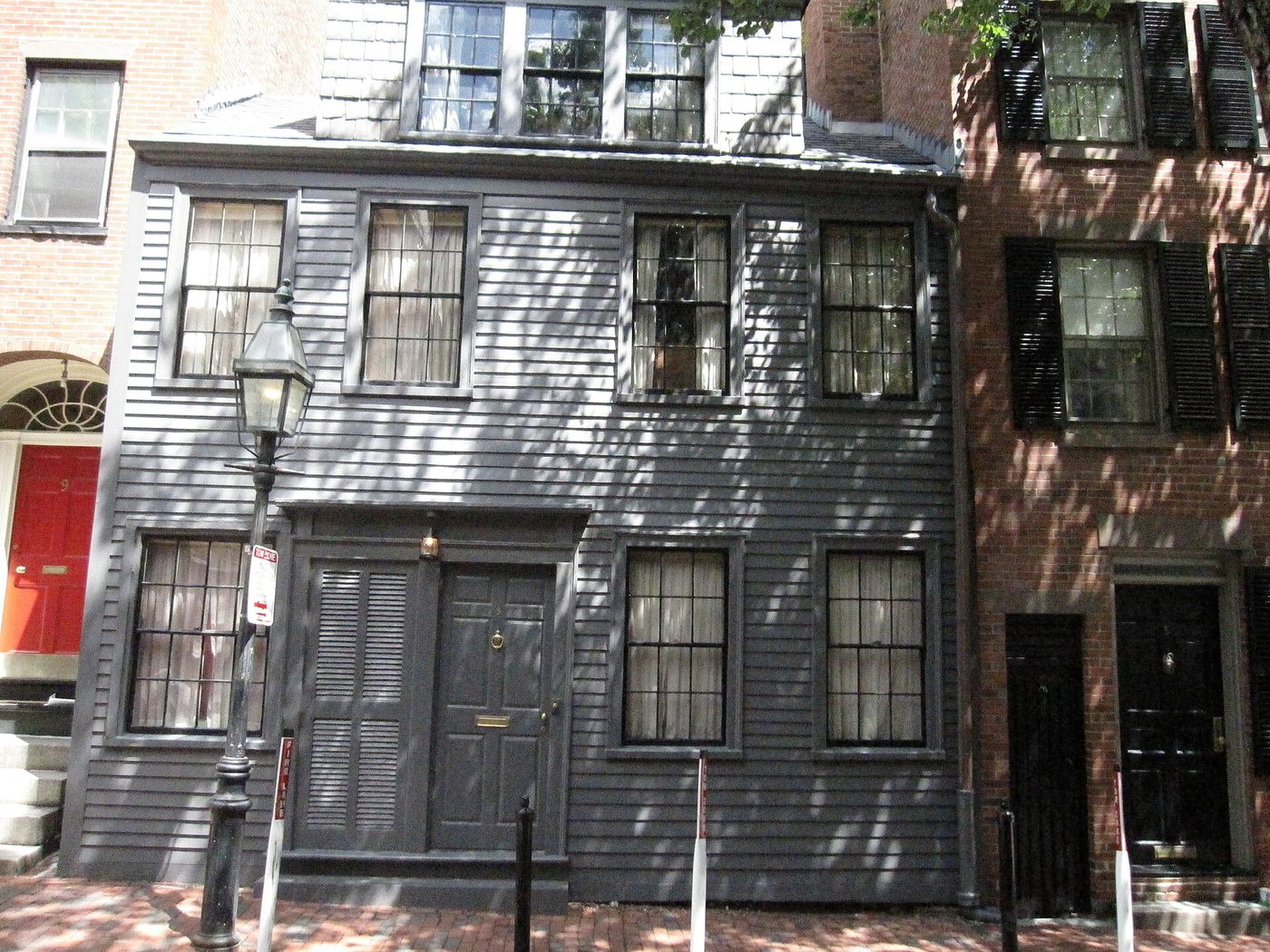
What holds true across the Commonwealth
- Massachusetts Commission Against Discrimination receives residential grievances from all fourteen counties.
- Region I - Boston is the federal alternative, with twelve months from the act.
- Two questions may be put to you. Your diagnosis and records are not among them.
- Any fee pegged to the creature being there stops the moment permission is given.
- Liability for damage the animal causes is untouched and remains yours.
- Neither route costs a tenant anything to open.
The housing types, and what each produces
Massachusetts disputes tend to follow the building.
Student tenancies, which are a third of the problem
Massachusetts has an enormous student rental market, and it produces its own confusions.
Why start with the Commonwealth
Two pressures worth naming
The September turnover. An enormous share of Massachusetts tenancies begin on the same day, and the scramble around it makes people accept answers they should not. A request raised in spring, while a renewal is still live, is far harder to bury than one made in the last week of August.
Conversion and non-renewal. In tight markets an owner has plenty of ordinary reasons not to renew. When a non-renewal lands shortly after an accommodation was sought, the sequence deserves examination whatever market explanation accompanies it. Preserve the dates before you do anything else.
Questions from Massachusetts
My landlord lives on the first floor of our triple-decker.
Can a broker fee be charged for processing my request?
Does a historic district designation matter?
I am on a voucher. Does that weaken my position?
Massachusetts Commission Against Discrimination
The state agency that receives and investigates housing discrimination complaints in Massachusetts, alongside HUD.
42 U.S.C. §§ 3601-3619
The federal statute prohibiting housing discrimination, including on the basis of disability. Refusing a reasonable accommodation that a person with a disability needs to use and enjoy a dwelling is a form of discrimination under this Act.
24 CFR § 100.204
HUD's regulation implementing the reasonable accommodation duty, including the example of waiving a no-pets rule for a person who needs an assistance animal.
24 CFR § 100.202
Sets out the general prohibitions on disability discrimination in housing and limits inquiries into whether a person has a disability.
HUD Notice FHEO-2020-01
HUD's central guidance on assistance animals in housing: the difference between a service animal and a support animal, what information a housing provider may request, and how requests should be assessed.